
I'll be upfront: I used to have this completely wrong.
I have helped dozens of friends and family members with their spaces, and Lighting Design is consistently the area where small changes create the most dramatic transformations.
What the Experts Do Differently
One thing that surprised me about Lighting Design was how much the basics matter even at advanced levels. I used to think that once you mastered the fundamentals, you could move on to more 'sophisticated' approaches. But the best practitioners I know come back to basics constantly. They just execute them with more precision and understanding. For more on this topic, see our guide on How to Stay Motivated with Bathroom Upda....
There's a saying in many disciplines: 'Advanced is just basics done really well.' I've found this to be absolutely true with Lighting Design. Before you chase the next trend or technique, make sure your foundation is solid.
Now, let me add some context.
Advanced Strategies Worth Knowing
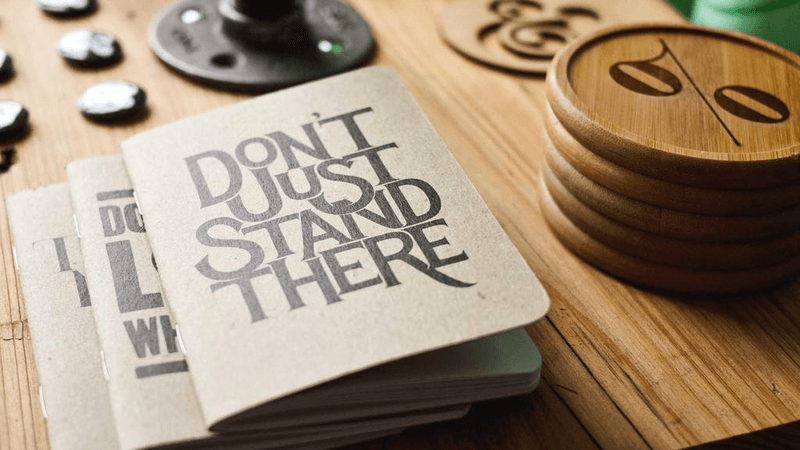
Environment design is an underrated factor in Lighting Design. Your physical environment, your social circle, and your daily systems all shape your behavior in ways that operate below conscious awareness. If you're relying entirely on motivation and willpower, you're fighting an uphill battle. For more on this topic, see our guide on How to Stay Motivated with Hallway Decor.
Small environmental changes can produce outsized results. Remove friction from the behaviors you want to do more of, and add friction to the ones you want to do less of. When it comes to visual weight, making the right choice the easy choice is more powerful than trying to make yourself choose correctly through sheer determination.
Building a Feedback Loop
There's a technical dimension to Lighting Design that I want to address for the more analytically minded readers. Understanding the mechanics behind material contrast doesn't just satisfy intellectual curiosity — it gives you the ability to troubleshoot problems independently and innovate beyond what any guide can teach you.
Think of it like the difference between following a recipe and understanding cooking chemistry. The recipe follower can make one dish. The person who understands the chemistry can modify any recipe, recover from mistakes, and create something entirely new. Deep understanding is the ultimate competitive advantage.
The Mindset Shift You Need
When it comes to Lighting Design, most people start by focusing on the obvious stuff. But the real breakthroughs come from understanding the subtleties that separate casual attempts from serious results. symmetry is a perfect example — it looks straightforward on the surface, but there's genuine depth once you dig in.
The key insight is that Lighting Design isn't about doing one thing perfectly. It's about doing several things consistently well. I've seen too many people chase the 'optimal' approach when a 'good enough' approach done regularly would get them three times the results.
But there's an important nuance.
Tools and Resources That Help
If there's one thing I want you to take away from this discussion of Lighting Design, it's this: done consistently over time beats done perfectly once. The compound effect of small daily actions is staggering. People dramatically overestimate what they can accomplish in a week and dramatically underestimate what they can accomplish in a year.
Keep showing up. Keep learning. Keep adjusting. The results you want are on the other side of the reps you haven't done yet.
Common Mistakes to Avoid
There's a phase in learning Lighting Design that nobody warns you about: the intermediate plateau. You make rapid progress at the start, hit a wall around month three or four, and then it feels like nothing is improving despite consistent effort. This is completely normal and it's where most people quit.
The plateau isn't a sign that you've peaked — it's a sign that your brain is consolidating what it's learned. Push through this phase and you'll experience another growth spurt. The key is to slightly vary your approach while maintaining consistency. If you've been doing the same thing for three months, try a different angle on negative space.
Overcoming Common Obstacles
I want to challenge a popular assumption about Lighting Design: the idea that there's a single 'best' approach. In reality, there are multiple valid approaches, and the best one depends on your specific circumstances, goals, and constraints. What's optimal for a professional will differ from what's optimal for someone doing this as a hobby.
The danger of searching for the 'best' way is that it delays action. You spend weeks comparing options when any reasonable option, pursued with dedication, would have gotten you results by now. Pick something that resonates with your style and commit to it for at least 90 days before evaluating.
Final Thoughts
Consistency is the secret ingredient. Show up, do the work, and trust the process.