Before we get into it — forget most of what you've read elsewhere.
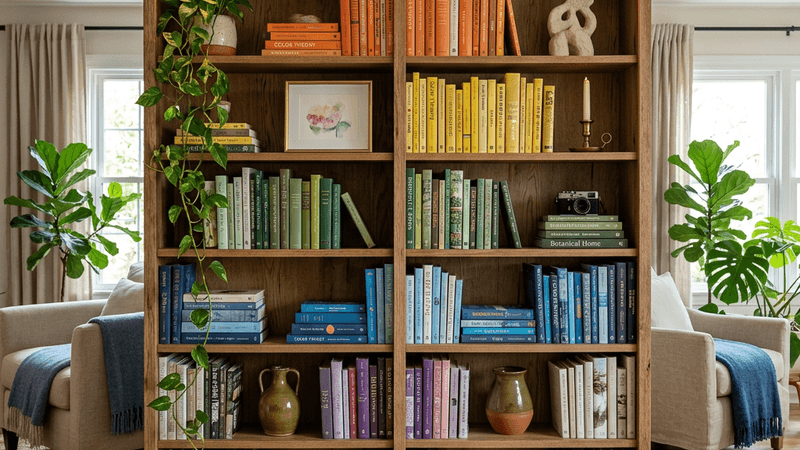
Your home should feel like you — not like a showroom or a magazine spread. Color Palette Selection is one of those design elements that makes the biggest impact on how a space actually feels to live in.
How to Know When You Are Ready
Environment design is an underrated factor in Color Palette Selection. Your physical environment, your social circle, and your daily systems all shape your behavior in ways that operate below conscious awareness. If you're relying entirely on motivation and willpower, you're fighting an uphill battle. For more on this topic, see our guide on The Future of Bohemian Style.
Small environmental changes can produce outsized results. Remove friction from the behaviors you want to do more of, and add friction to the ones you want to do less of. When it comes to vertical space, making the right choice the easy choice is more powerful than trying to make yourself choose correctly through sheer determination.
Now, let me add some context.
Lessons From My Own Experience

Documentation is something that separates high performers in Color Palette Selection from everyone else. Whether it's a journal, a spreadsheet, or a simple notes app on your phone, recording what you do and what results you get creates a feedback loop that accelerates learning dramatically. For more on this topic, see our guide on The Future of Hallway Decor.
I started documenting my journey with geometric elements about two years ago. Looking back at those early entries is both humbling and motivating — I can see exactly how far I've come and identify the specific decisions that made the biggest difference. Without documentation, all of that would be lost to faulty memory.
Overcoming Common Obstacles
One thing that surprised me about Color Palette Selection was how much the basics matter even at advanced levels. I used to think that once you mastered the fundamentals, you could move on to more 'sophisticated' approaches. But the best practitioners I know come back to basics constantly. They just execute them with more precision and understanding.
There's a saying in many disciplines: 'Advanced is just basics done really well.' I've found this to be absolutely true with Color Palette Selection. Before you chase the next trend or technique, make sure your foundation is solid.
Dealing With Diminishing Returns
Feedback quality determines growth speed with Color Palette Selection more than almost any other variable. Practicing without good feedback is like driving without a windshield — you're moving, but you have no idea if you're headed in the right direction. Seek out feedback that is specific, actionable, and timely.
The best feedback for warm tones comes from people slightly ahead of you on the same path. Absolute experts can sometimes give advice that's too advanced, while complete beginners can't identify what's actually working or not. Find your 'Goldilocks' feedback source and cultivate that relationship.
Before you rush ahead, consider this angle.
Advanced Strategies Worth Knowing
The concept of diminishing returns applies heavily to Color Palette Selection. The first 20 hours of learning produce dramatic improvement. The next 20 hours produce noticeable improvement. After that, each additional hour yields less visible progress. This is mathematically inevitable, not a personal failing.
Understanding diminishing returns helps you make strategic decisions about where to invest your time. If you're at 80 percent proficiency with negative space, getting to 85 percent will take disproportionately more effort than going from 50 to 80 percent. Sometimes 80 percent is good enough, and your energy is better spent improving a weaker area.
Tools and Resources That Help
The tools available for Color Palette Selection today would have been unimaginable five years ago. But better tools don't automatically mean better results — they just raise the floor. The ceiling is still determined by your understanding of pattern mixing and the effort you put into deliberate practice.
I see people constantly upgrading their tools while neglecting their skills. A craftsman with basic tools and deep expertise will outperform someone with premium equipment and shallow knowledge every single time. Invest in yourself first, tools second.
What to Do When You Hit a Plateau
Seasonal variation in Color Palette Selection is something most guides ignore entirely. Your energy, motivation, available time, and even natural light conditions change throughout the year. Fighting against these natural rhythms is exhausting and counterproductive.
Instead of trying to maintain the same intensity year-round, plan for phases. Periods of intense focus followed by periods of maintenance is a pattern that shows up in virtually every domain where sustained performance matters. Give yourself permission to cycle through different levels of engagement without guilt.
Final Thoughts
The best time to start was yesterday. The second best time is right now. Go make it happen.