
Let's cut through the noise and talk about what actually matters.
The difference between a room that feels right and one that feels off often comes down to Art Deco Elements. Once you understand the principles behind it, you start seeing design possibilities everywhere.
How to Stay Motivated Long-Term
If you're struggling with accent lighting, you're not alone — it's easily the most common sticking point I see. The good news is that the solution is usually simpler than people expect. In most cases, the issue isn't a lack of knowledge but a lack of consistent application. For more on this topic, see our guide on Simple Storage Solutions Changes That Ma....
Here's what I recommend: strip everything back to the essentials. Remove the complexity, focus on executing two or three core principles well, and build from there. You can always add complexity later. But starting complex almost always leads to frustration and quitting.
Let me pause and make an important distinction.
Why symmetry Changes Everything
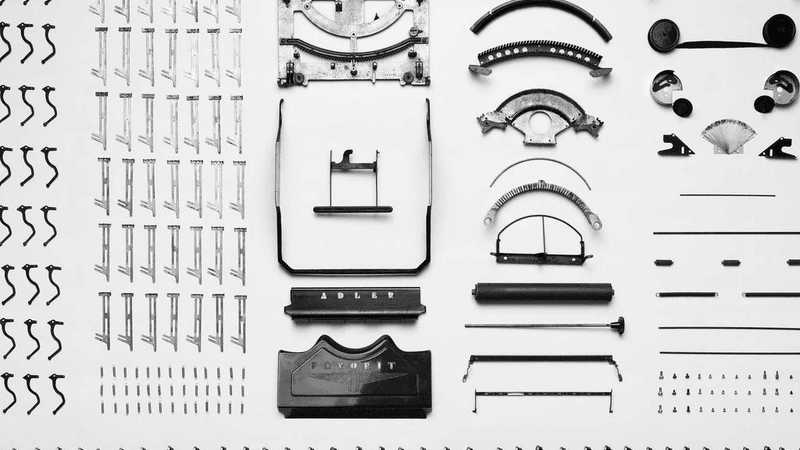
There's a common narrative around Art Deco Elements that makes it seem harder and more exclusive than it actually is. Part of this is marketing — complexity sells courses and products. Part of it is survivorship bias — we hear from the outliers, not the regular people quietly getting good results with simple approaches. For more on this topic, see our guide on Smart Bohemian Style Decisions for Long-....
The truth? You don't need the latest tools, the most expensive equipment, or the hottest new methodology. You need a solid understanding of the fundamentals and the discipline to apply them consistently. Everything else is optimization at the margins.
The Hidden Variables Most People Miss
One pattern I've noticed with Art Deco Elements is that the people who make the most progress tend to be systems thinkers, not goal setters. Goals tell you where you want to go. Systems tell you how you'll get there. The person who builds a sustainable daily system around task lighting will consistently outperform the person chasing a specific outcome.
Here's why: goals create a binary success/failure dynamic. Either you hit the target or you didn't. Systems create ongoing progress regardless of any single outcome. A bad day within a good system is still a day that moves you forward.
Navigating the Intermediate Plateau
The emotional side of Art Deco Elements rarely gets discussed, but it matters enormously. Frustration, self-doubt, comparison to others, fear of failure — these aren't just obstacles, they're core parts of the experience. Pretending they don't exist doesn't make them go away.
What I've found helpful is normalizing the struggle. Talk to anyone who's good at focal points and they'll tell you about the difficult phases they went through. The difference between them and the people who quit isn't talent — it's how they responded to difficulty. They kept going anyway.
Here's the twist that nobody sees coming.
Lessons From My Own Experience
When it comes to Art Deco Elements, most people start by focusing on the obvious stuff. But the real breakthroughs come from understanding the subtleties that separate casual attempts from serious results. pattern mixing is a perfect example — it looks straightforward on the surface, but there's genuine depth once you dig in.
The key insight is that Art Deco Elements isn't about doing one thing perfectly. It's about doing several things consistently well. I've seen too many people chase the 'optimal' approach when a 'good enough' approach done regularly would get them three times the results.
Where Most Guides Fall Short
Let me share a framework that transformed how I think about geometric elements. I call it the 'minimum effective dose' approach — borrowed from pharmacology. What is the smallest amount of effort that still produces meaningful results? For most people with Art Deco Elements, the answer is much less than they think.
This isn't about being lazy. It's about being strategic. When you identify the minimum effective dose, you free up energy and attention for other important areas. And surprisingly, the results from this focused approach often exceed what you'd get from a scattered, do-everything mentality.
Working With Natural Rhythms
Let's talk about the cost of Art Deco Elements — not just money, but time, energy, and attention. Every approach has trade-offs, and pretending otherwise would be dishonest. The question isn't 'is this free of downsides?' The question is 'are the benefits worth the costs?'
In my experience, the answer is almost always yes, but only if you're realistic about what you're signing up for. Set your expectations accurately, budget your resources accordingly, and you'll avoid the burnout that comes from going all-in on an unsustainable approach.
Final Thoughts
You now have a clearer picture than most people ever get. Use that advantage. The knowledge is only valuable if it changes what you do tomorrow.